Pokies near misses have sparked heated debate in venues from Sydney to Hobart, and the chatter keeps building as more research trickles out. A near miss, in short, lands one symbol short of a top combo, and the brain reads it as “almost won.” For Aussie players deciding how to engage with pokies, the controversy raises fair questions about psychology, regulation, and personal play boundaries.
What the Near Miss Actually Is
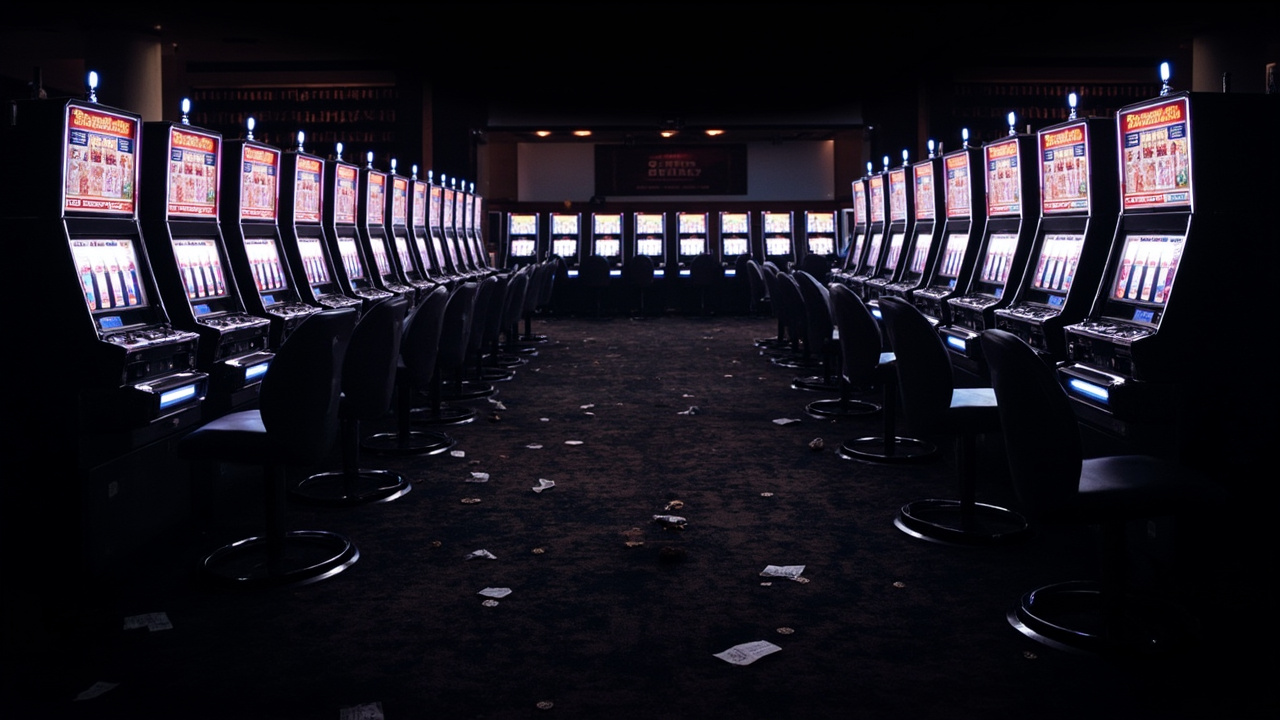
A near miss is a spin outcome where the symbols line up tantalisingly close to a jackpot but stop just short, such as two scatter symbols landing while the third stops one reel away. The visual reward mirrors a win, which is precisely why behavioural researchers have spent years studying the effect. In Japan, where pachinko parlours use similar mechanics, regulators tightened disclosure rules after comparable findings emerged, and I’ve watched compliance teams in Tokyo spend weeks auditing how studios label those outcomes. Australian venues have moved more slowly, although the ACMA continues to publish data on machine design.
Players who want a clearer view of how these mechanics show up in practice often cross-check lobby versions against trusted sources. I’ve personally used a hellspinnodepositcode.com page to compare how studios label near-miss events before settling on a session. It is not a substitute for venue due diligence, but it gives a useful starting frame for the questions below.
Weighing the Questions a Player Should Ask
This is the heart of the decision. Three threads matter most when sizing up a pokie session, and each one feeds the next.
Does the Game Disclose Its Hit Frequency?
Hit frequency is the rate at which any win, including a near miss, lands on the reels. A game with a 35% hit frequency feels busy because something happens roughly every third spin, even when payouts are small. Lower hit frequencies, around 18 to 22%, stretch the gap between wins, and the few near misses that do land carry more weight because they stand out.
When I compare lobbies in Melbourne against the regulated Japanese market, the disclosure culture is sharper overseas. Aussie players should look for the info screen, usually tucked behind the question mark icon, and check whether the studio publishes volatility and hit-rate data. If the math is hidden, treat that as a signal and move on.
How Loud Is the Sensory Feedback?
Near misses only work because the game celebrates them. Reels slow down, music swells, the screen flashes, and the player feels a jolt that mirrors a real win. Modern providers design these cues deliberately, and the more polished the audio layer, the more leverage the machine has on attention.
For Australians playing at licensed venues, the question is whether the operator has dialled back those cues. Some states require a muted presentation for near-miss outcomes, while others leave the audio untouched. Ask the floor staff, or check the regulator’s published venue audits, before settling in for a long arvo session.
What Is Your Personal Boundary?
This is the only question that matters once the machines are in front of you. Set a hard spend limit before you tap the screen, decide on a stop time, and walk the moment either is hit. I’ve watched VIP players in Macau and Montreal keep clear boundaries simply because they decided in advance what “done” looked like, and the same habit translates to a Hobart pub on a Friday night.
A useful rule: if a near miss makes you want to chase the next spin rather than the one you planned, the boundary has already slipped. Reassess, take a break, and rejoin only when the plan still makes sense.
Who Should Keep Playing, and Who Should Step Back
Players who treat pokies as a paid entertainment line, with a clear cap and no expectation of profit, can engage with near-miss mechanics without serious risk. The same applies to anyone who enjoys the design layer and can name a favourite provider without confusing the studio for a money manager.
Anyone chasing a near miss, playing into overtime, or borrowing to fund a session should step back entirely. The near-miss effect amplifies exactly the impulses that lead to harm, and no game math can undo that pressure. Free helplines, including Gambling Help Online, offer confidential support for anyone who feels the boundary sliding.
A Quick Glossary
- Near miss: A spin outcome that lands one symbol short of a top-paying combination, designed to look and feel like a near win.
- Hit frequency: The statistical rate at which any winning combination lands on the reels, often expressed as a percentage.
- Volatility: The size and spacing pattern of payouts, where high volatility means fewer but larger wins.
- ACMA: The Australian Communications and Media Authority, which oversees electronic gambling machine standards federally.
- Info screen: The in-game help panel, usually marked with a question mark, where payout tables and math disclosures appear.
Closing Note
The pokies near miss controversy is not going away, and the smartest move for any adult player is to treat the design layer as a known variable rather than a mystery. Pick a venue that discloses its math, set a clear boundary, and play only when both conditions hold. If either one fails, the right call is to walk, no questions asked.